


1. The essence: grow better, cycle faster, sell closer
The revolutionary small farm is not a giant field. It is a living engine: permanent beds, compost-rich soil, rapid succession, beautiful harvesting, loyal local customers, and multiple income streams buzzing together like a garden hive.
Permanent beds, hand tools, broadforks, seedling trays, drip lines, carts, and smart crop planning can outperform “big machinery thinking” on tiny acreage.
Salad mix, herbs, radish, microgreens, spring onions, flowers, and seedlings can create weekly cash flow instead of one annual harvest.
CSA boxes, restaurants, retreats, farm stands, WhatsApp preorders, and workshops keep value on the farm instead of leaking it into long supply chains.
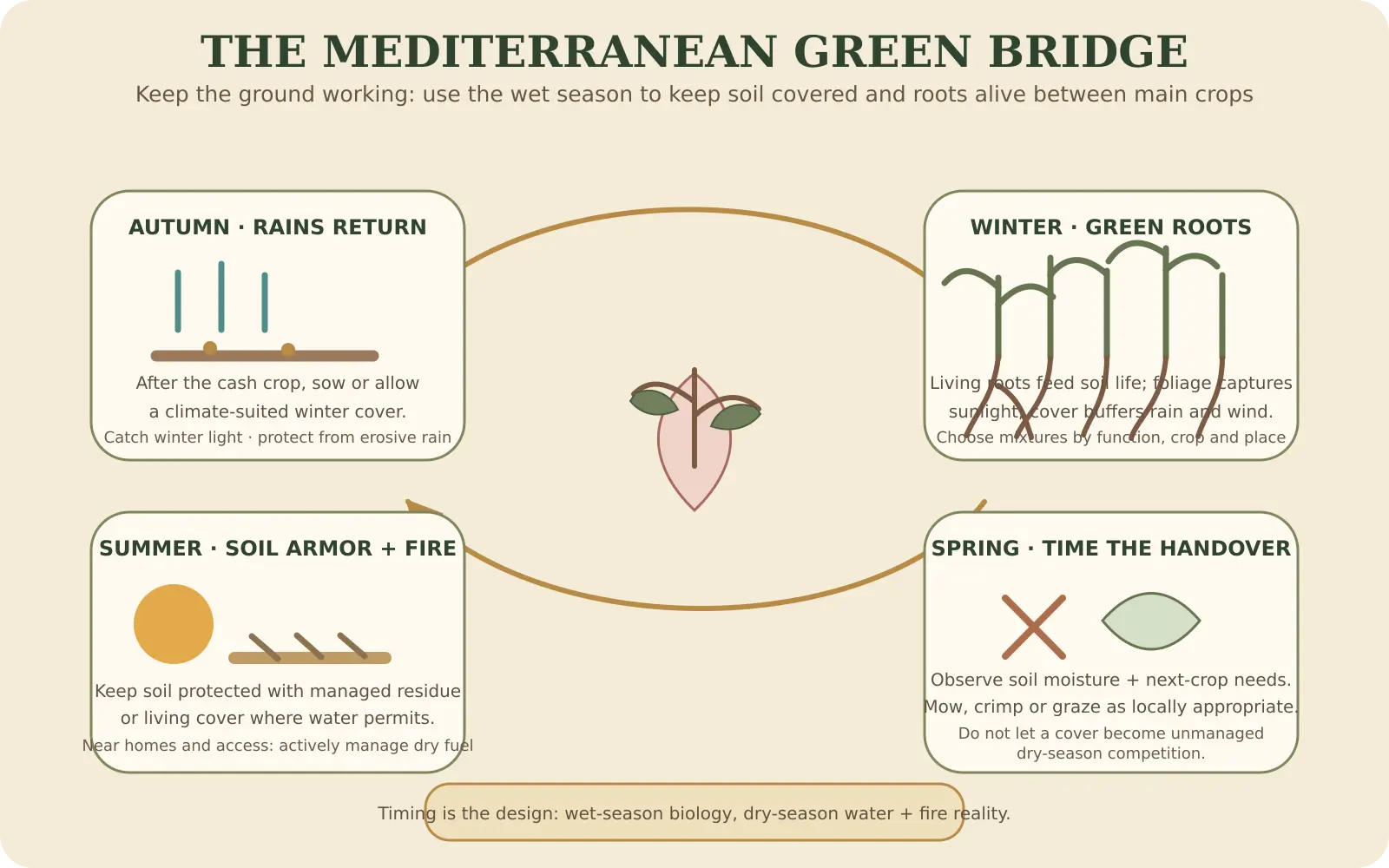
Compost, mulch, cover crops, living roots, fungi, worms, and minimum disturbance reduce irrigation stress and increase resilience.

2. Models worth studying
French-intensive / biointensive market gardening
Parisian market gardeners used intensive soil fertility, hotbeds, glass protection, close spacing, and succession planting to produce high yields on small urban plots. Modern biointensive farms update this with compost, tunnels, drip irrigation, better tools, and crop planning. 2 3
Permanent bedsClose spacingSuccessionProtected cropsFortier-style market garden
Jean-Martin Fortier’s work popularized the “grow better, not bigger” microfarm: low-tech tools, biointensive beds, direct sales, CSA, restaurants, and high efficiency on about 1.5 acres of cultivated production. McGill News reported the farm making about $100,000 per acre with strong margins; treat this as a mature-farm benchmark, not a beginner target. 4 5
CSARestaurantsLow-techCrop planningNo-dig / no-till compost market garden
No-dig systems protect soil structure by avoiding routine cultivation, using compost and mulch on the surface. RHS frames no-dig as a way to care for soil health, and Charles Dowding’s market-garden teachings emphasize less weeding, strong harvests, and compost-fed soil biology. 6 7
Compost mulchLess weedsSoil lifeLower disturbanceSinging Frogs-style “soil first” no-till farm
Singing Frogs Farm presents a no-kill/no-till approach built around high-biology soil, biodiversity, crop rotation, and continuous living systems. Their own principles page reports dramatically reduced water use and roughly $170,000 in vegetable sales per crop acre per year, with much of revenue paying year-round staff. 6
BiodiversityCompostWater resilienceStaff-centered3. A practical 1/4-acre Mediterranean layout
A quarter acre is roughly 1,000 m². Do not fill all of it with vegetables. A profitable microfarm needs growing space, but also nursery, wash/pack, compost, paths, water, shade, storage, and beauty. The invisible infrastructure is where the money and sanity often hide.
| Zone | Suggested space | Purpose | Mediterranean notes |
|---|---|---|---|
| Permanent annual beds | 400-600 m² | High-value vegetables, herbs, flowers | Use 75-100 cm beds, 35-50 cm paths, drip lines, mulch, shade cloth in summer. |
| Propagation nursery | 50-120 m² | Seedlings for your own farm plus sales | Shade net, insect net, reliable watering, wind protection. This is the farm’s seedling heart. |
| Protected tunnel / greenhouse | 80-200 m² | Tomatoes, cucumbers, basil, winter greens, seedlings | Ventilation is critical. Mediterranean protected cultivation must reduce water, fertilizer, and pest-control pressure. 10 11 |
| Wash/pack/cool area | 20-60 m² | Clean harvests, packing, quality control | Shade, washable surfaces, crates, scale, labels, fast cooling. Quality equals trust. |
| Compost + biomass | 80-150 m² | Compost, worm system, leaf mould, mulch storage | Place uphill from beds only if runoff cannot contaminate crops. Keep manure aged and safe. |
| Perennial edges | 100-250 m² | Fruit, herbs, flowers, pollinators, windbreaks | Use rosemary, lavender, thyme, sage, fig, pomegranate, olive, almond, carob, grape, artichoke, caper. |
4. Crop choices for high nutrition, high value, and Mediterranean resilience
Organic and regenerative systems can improve soil health and may influence nutrient profiles. A major British Journal of Nutrition meta-analysis found organic crops, on average, had higher antioxidant concentrations, lower cadmium, and fewer pesticide residues than conventional comparators; regenerative nutrient-density research is promising but still emerging and should be presented humbly. 14 15
| Crop group | Best crops | Why it works | How to sell |
|---|---|---|---|
| Quick-turn greens | Rocket, lettuce mix, mizuna, mustard, baby kale, spinach in cool season | Fast cash flow, repeat harvests, restaurant demand | Premium salad bags, chef mixes, CSA greens add-on |
| Herbs | Basil, coriander, parsley, dill, mint, oregano, thyme, rosemary, sage | High value per square meter, fragrant, small harvest volume | Bunches, living pots, dried herbs, tea blends, infused salts |
| Microgreens | Sunflower, pea shoots, radish, broccoli, basil, coriander | Very fast cycles, indoor/shade production, premium chefs | Restaurants, retreats, health cafés, subscription trays |
| Summer fruiting crops | Cherry tomato, cucumber, pepper, eggplant, zucchini, okra | Strong summer demand, good with trellising and shade | Chef boxes, tomato tasting boxes, sauce days, farm stand |
| Roots + bunching | Radish, baby beet, carrot, turnip, spring onion | Beautiful bunches, quick bed turns, CSA color | Farmers market bundles, salad box upgrades |
| Flowers + edible flowers | Calendula, nasturtium, borage, cosmos, zinnia, marigold, chamomile | Pollinator support and high perceived value | Wedding bunches, edible flower boxes, herbal products |
| Perennial Mediterranean value crops | Olive, fig, pomegranate, grape, almond, carob, citrus where irrigated, caper, artichoke | Lower annual planting, resilience, story-rich products | Olive oil, dried figs, pomegranate syrup, herb-fruit baskets, tours |
| Biomass + soil builders | Fava bean, vetch, clover, cowpea, sunn hemp, Mexican sunflower, comfrey, grasses | Mulch, nitrogen, roots, fungi, chop-and-drop | Mostly internal value: fertility, water retention, weed control |
5. How to build productive beds
No-dig bed build
- Mow or cut weeds low.
- Water the soil deeply if dry.
- Lay plain cardboard over weedy ground, overlapping edges.
- Add 10-15 cm finished compost or aged compost/manure blend.
- Shape beds 75-100 cm wide so nobody steps on them.
- Install drip lines immediately.
- Plant transplants into compost; sow larger seeds directly.
- Keep paths mulched with woodchip, straw, leaves, or living cover.
Compacted soil rescue
- Broadfork once, without turning soil.
- Add compost, worm castings, and a light mineral blend if soil tests justify it.
- Grow deep-rooted daikon, fava, chicory, or clover in the off-season.
- Keep soil covered all year.
- Avoid rotavating repeatedly. It creates a fluffy sugar-rush, then soil structure crashes.
Fertility rhythm
- Compost: thin layer between crop turns.
- Worm castings: seedling holes, high-value greens, stressed beds.
- Aged manure: composted first, used carefully.
- Basalt/rock dust: small annual doses only where minerals are useful.
- Seaweed extract: stress tonic, trace elements.
- Cover crops: fava/vetch/clover in cool season; cowpea/sunn hemp in warm season.
6. Mediterranean water strategy: every drop gets a job
FiBL identifies Mediterranean systems as strongly linked with olives, grapes, citrus, nuts, legumes, vegetables, wheat, and livestock, but water pressure is a central challenge. In Mediterranean organic protected systems, reducing water, fertilizer, and plant-protection inputs is a major priority. 9 10
Drip first
Use pressure-compensating drip where possible, filter the water, flush lines, and irrigate early morning. Drip puts water at roots instead of baptizing the weeds.
Mulch wisely
Organic mulch and drip together can reduce water footprint in dry regions; one catchment-scale study found the combination reduced blue water footprint by about 5%, while noting results are very local. 12
Shade cloth
Use 30-50% shade on leafy greens and nursery crops in hot months. Shade protects photosynthesis from becoming crispy toast.
Perennial water harvesting
Use contour lines, swales, basins, mulch rings, fungi-rich woodchip, windbreaks, and deep-rooted support plants around trees.
Living soil cover
Cover crops protect soil, add organic matter, support soil life, fix nitrogen when legumes are used, conserve nutrients, suppress weeds, and support biological pest control. 13
Separate crop groups
Group thirsty crops together. Keep Mediterranean herbs and drought-hardy perennials away from wet vegetable zones.
7. Business models: stack income like layers in a forest
CSA is a direct-marketing model where a community pledges support to a farm and shares risks and benefits of production. USDA describes CSA as a community of individuals pledging support to a farm operation, while EU CAP notes CSA members often cover a farm’s annual operating budget by buying a share of the harvest. 16 17
| Model | Why it fits small farms | First offer idea |
|---|---|---|
| CSA / weekly veg box | Predictable cash flow, customer loyalty, less market uncertainty | 20 founder boxes for 8 weeks: salad, herbs, seasonal veg, edible flowers |
| Restaurant / retreat chef supply | Premium demand for freshness, flavor, herbs, flowers, microgreens | Chef list every Monday: 10 special items harvested Wednesday/Friday |
| Farmers market + preorder | Visibility, storytelling, quick testing of new crops | WhatsApp preorder form before market day to reduce waste |
| Seedlings and nursery | Spring cash flow before field harvests peak | Mediterranean edible garden starter trays: basil, tomato, calendula, herbs |
| Value-added herbs | Uses surplus, shelf-stable, strong brand story | Dried herb salts, tea blends, herbal bundles, calendula oil |
| Workshops and farm tours | Turns knowledge into income and customers into allies | “Build a no-dig Mediterranean bed” half-day workshop |
| Design/consulting | High value, low land requirement, scales your expertise | 90-minute online garden plan + crop list + water strategy |
| Farm-to-table events | Combines food, story, community, and beauty | Seasonal garden dinner with herb walk and harvest ritual |
8. Mediterranean crop calendar, adapted for Portugal
Adjust by altitude, frost pocket, wind, and irrigation. Central Portugal hills behave differently from the Algarve coast. Use this as a starting map, then let your local microclimate scribble notes in the margins.
| Season | Main focus | Plant / sow | Sell |
|---|---|---|---|
| Jan-Feb | Planning, compost, tunnel crops | Onion, leek, early lettuce, parsley, coriander, fava, peas, brassica starts | Winter greens, herbs, seedlings preorders, workshops |
| Mar-Apr | Big spring acceleration | Salads, radish, carrots, beet, chard, basil starts, tomatoes, flowers | Salad bags, spring herbs, early bunches, plant starts |
| May-Jun | Transplant summer crops | Tomato, cucumber, pepper, eggplant, basil, beans, squash, flowers | CSA boxes, seedlings, herbs, edible flowers |
| Jul-Aug | Heat management | Okra, sweet potato, cowpea, basil, amaranth; sow autumn brassicas in shade | Tomatoes, basil, cucumbers, peppers, herb salts, tours |
| Sep-Oct | Autumn reboot | Rocket, lettuce, spinach, coriander, parsley, radish, turnip, fava, vetch, clover | Greens return, herb bundles, workshop season |
| Nov-Dec | Soil cover and winter abundance | Garlic, onions, fava, peas, winter lettuce, kale, cover crops | Winter boxes, dried herbs, gift baskets, planning consults |
9. 12-week launch plan
Weeks 1-2: Map and market
- Draw site map: sun, shade, water, wind, access, frost.
- Interview 10 possible buyers: chefs, retreat owners, cafés, neighbours.
- Choose 6 starter crops, not 60.
Weeks 3-4: Build the first system
- Create 6-10 permanent beds.
- Install drip irrigation and mulch paths.
- Start nursery trays every week.
Weeks 5-6: Brand and pre-sell
- Create a simple weekly harvest list.
- Launch 10-20 founder boxes.
- Make one farm story post per week.
Weeks 7-8: Harvest quality
- Harvest early morning.
- Wash, cool, pack beautifully.
- Ask customers what they loved and what they did not use.
Weeks 9-10: Improve crop mix
- Drop low-profit headaches.
- Double down on the crops people reorder.
- Add herbs, edible flowers, or microgreens.
Weeks 11-12: Add one income layer
- Run a workshop or farm tour.
- Offer seedlings or a consult.
- Create a subscription renewal.
10. Copy-paste checklist for a small regenerative market farm
Sources and further learning
This page blends practical grower wisdom, published examples, and research. Some income figures are self-reported or media-reported, so use them as inspiration and benchmarks, not guarantees.
- YouTube video: The “Infinite Income” System (On Only 1/4 Acre)
- Biointensive growing and the 19th-century Parisian market-garden lineage
- Paris market gardens: manure-heated beds, glass protection, winter salads and early crops
- Jean-Martin Fortier / Les Jardins de la Grelinette microfarm profile
- The Market Gardener Institute: organic market gardening resources
- Singing Frogs Farm basic principles and self-reported sales model
- RHS: No-dig gardening advice
- Charles Dowding: no-dig / no-till reasons and method notes
- FiBL: Mediterranean farming systems overview
- Organic Farm Knowledge: protected cultivation challenges in Mediterranean systems
- FAO: Good agricultural practices for greenhouse vegetable crops
- Nouri et al. 2019: mulching and drip irrigation water-saving assessment
- Organic Farming Research Foundation: cover cropping summary
- British Journal of Nutrition meta-analysis: organic crops, antioxidants, cadmium, pesticide residues
- Montgomery et al. 2022: soil health and nutrient density preliminary comparison
- USDA National Agricultural Library: Community Supported Agriculture overview
- EU CAP Network: CSA model in Germany
- NCAT/ATTRA: Market Gardening, a start-up guide
- NC State Extension: Market gardens for small farms